Pinterest search
Pinterest SEO for Etsy sellers: write for the search, not the feed
A plain-language guide to turning product details into titles and descriptions people can actually find.
August 18, 2026 · 7 min read
Start with the shopper’s next question
Your Etsy listing title has to describe what is for sale. Your Pinterest title can describe why someone needs it right now. That gives you room to meet searches earlier in the decision.
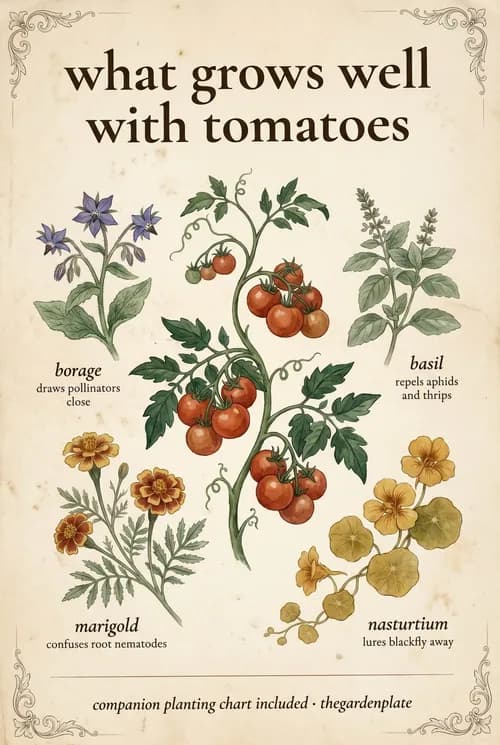
“Printable garden planner” names the product. “What grows well with tomatoes?” names the problem. A useful Pinterest strategy needs both.
Use language a person would type
Prefer specific, natural phrases over strings of disconnected keywords. A title should make sense when read aloud and should set an expectation the destination listing can keep.
- Name the project or problem clearly.
- Include the relevant product type when it adds clarity.
- Use seasonal language only when the content genuinely matches the season.
- Avoid repeating the same phrase in every title and description.
Let the description complete the promise
The title earns relevance. The description adds context: who the product is for, what it helps them do, and what they will find after clicking. Write for comprehension first. Search language should fit inside a useful sentence, not replace one.
Match the pin to the exact listing
A strong query-to-pin match can still fail if the click lands on a generic shop homepage. Link to the product that fulfills the promise. The shorter the distance between search, creative, and listing, the less work the shopper has to do.
Measure intent, not vanity
Impressions show distribution. Saves show future intent. Outbound clicks show immediate curiosity about the offer. Judge a search angle by the action it was meant to create, then compare it with your own account history instead of a borrowed industry benchmark.